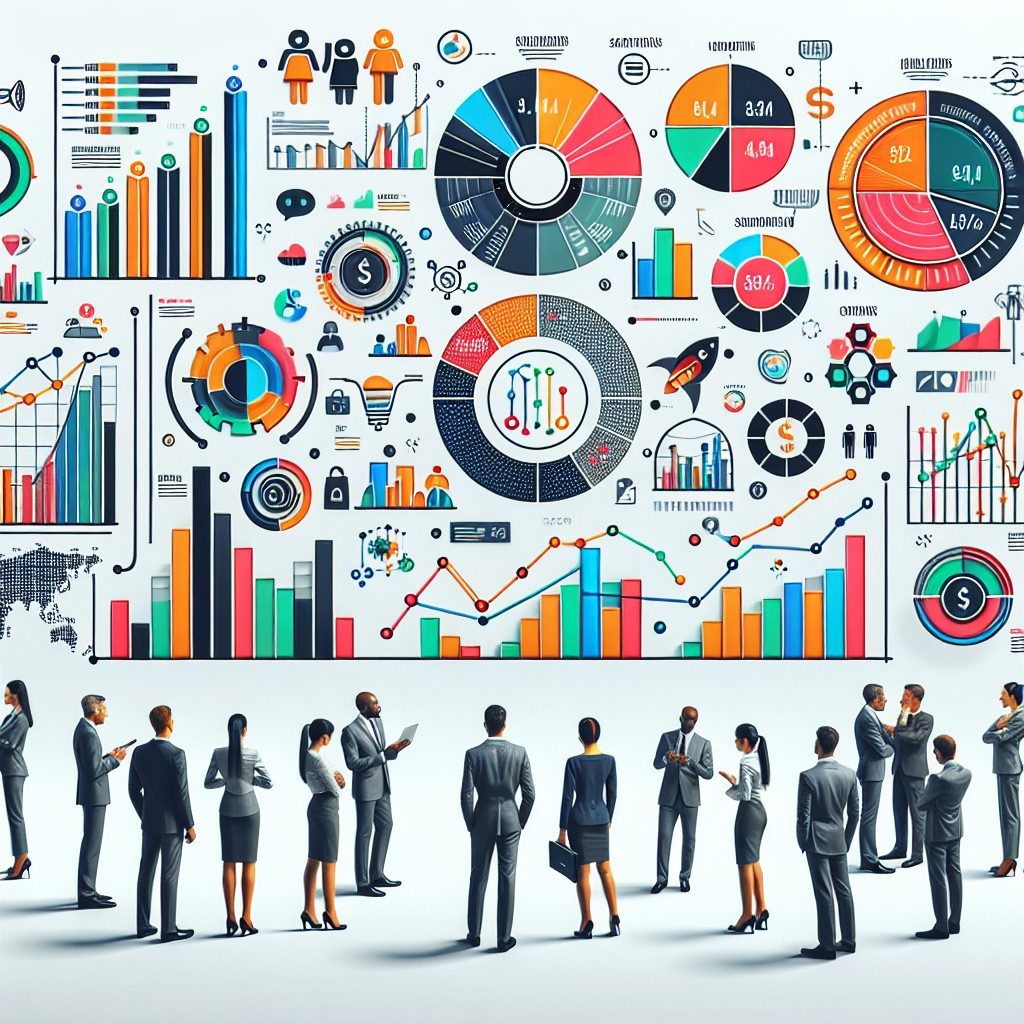
A new study released by the Global Health Institute has unveiled significant trends in health data that could redefine public health strategies by 2026. The implications of this research are expected to influence healthcare policies, resource allocation, and patient care across various regions.
Emerging Trends in Health Data
The health data presented in the study indicates a notable increase in chronic conditions, with a specific rise in diabetes and cardiovascular diseases. This trend correlates with lifestyle changes and demographic shifts observed in the past decade. Researchers underscore the necessity for healthcare systems to adapt to these challenges, particularly in urban areas where stress and sedentary lifestyles are prevalent. By 2026, it is anticipated that nearly 30% of the population in developed countries will be affected by at least one chronic illness, demanding targeted interventions.
Impact of Technology on Health Data
Advancements in technology are reshaping the collection and analysis of health data. The integration of artificial intelligence and machine learning has enabled more precise tracking of health trends and disease outbreaks. By 2026, it is predicted that AI-driven health data analytics will become commonplace in hospitals and clinics, supporting healthcare professionals in making informed decisions. This transformation aims to enhance patient outcomes through personalized medicine, allowing treatments to be tailored to individual needs based on historical health data.
Global Health Challenges and Future Predictions
The research further highlights global health challenges expected to arise by 2026, particularly in low-income countries. These regions are projected to experience significant health inequalities, exacerbated by limited access to healthcare services and resources. Experts recommend that international health organizations increase their investments in health data initiatives to address these disparities effectively. The findings urge governments to collaborate on health policies that ensure equitable access to medical treatment and preventive care, reinforcing that investing in health data infrastructure is crucial in leveling the healthcare playing field.
In conclusion, the latest health data signals critical changes in health trends and technology utilization that could redefine healthcare delivery by 2026. As societies grapple with rising chronic conditions and technological advancements, proactive measures must be taken to ensure that these challenges are met with robust policy responses and innovative solutions. The push towards improved health data collection and analysis will be integral to shaping a healthier future.
Frequently Asked Questions about Health Data
What is health data?
Health data refers to information that is collected, analyzed, and used to understand health trends and outcomes in populations.
How can health data impact public health?
Health data plays a crucial role in shaping public health policies by providing insights into the prevalence of diseases and the effectiveness of health interventions.
Where can I find reliable health data?
A reputable source for health data is the World Health Organization (WHO), which offers extensive research and statistics related to global health.
How is technology improving health data accuracy?
Technology, including AI and advanced analytics, enhances health data accuracy by enabling real-time data collection and comprehensive analysis of health trends.
What are the challenges of using health data?
Challenges include ensuring data privacy, standardizing data collection methods, and addressing disparities in access to data across different populations.